

How to Straighten Wood Drill Bits
Wood drill bits are slender, heat-treated cutting tools, and they bend in production like every other slender part. The question is not whether they need straightening but how to straighten them so the result holds over a whole batch: measured, pressed and re-measured, not eyeballed against a surface plate. This guide covers both the manual method and the machine method, with the machine method shown on video for the workpieces below.
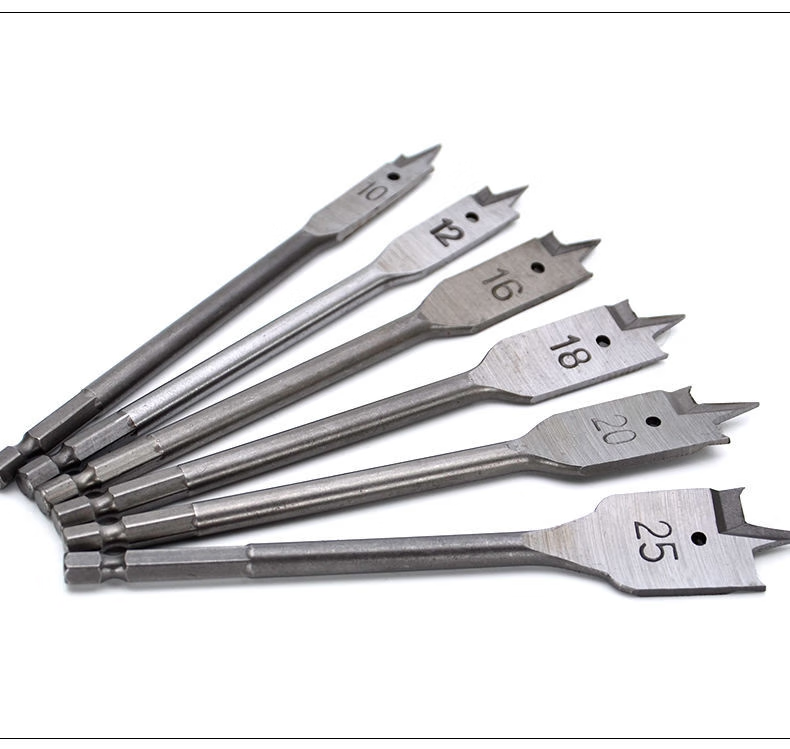
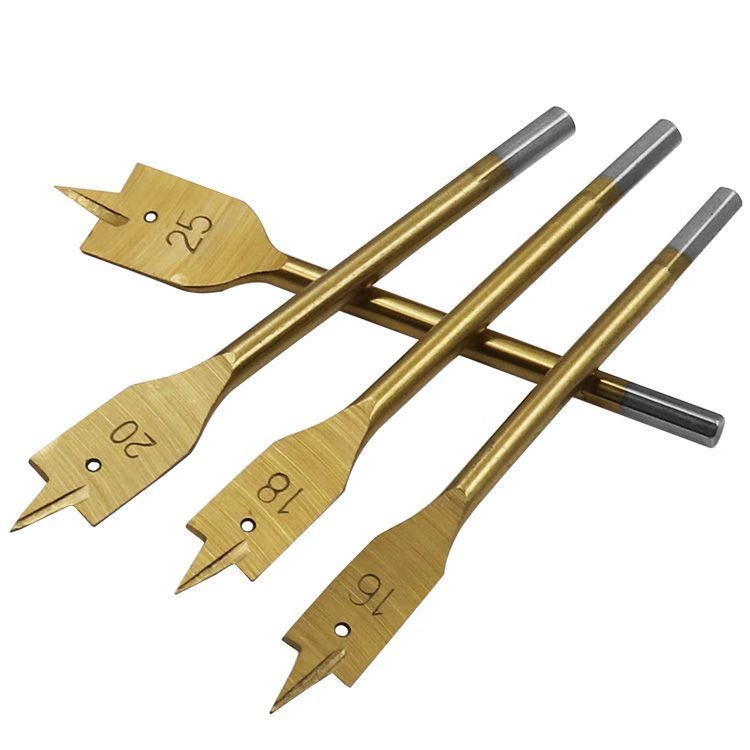
The Workpieces in This Application
Wood drill bits size: 22 x 125 mm; 0.2 mm straightness is required.
Wood drill bits size : 22x125mm; 0.2mm straightness is required
Why Wood Drill Bits Bend
The fluted body of a wood drill bit is long relative to its diameter, and the screw point adds mass at the far end. Heating, quenching, flute grinding and bulk handling each add curvature, and the bit usually arrives at final inspection with a bend measured in tenths of a millimeter. That is enough to make the bit cut an oversize, wandering hole and to load the drill motor unevenly, which is why the drawing specifies a straightness limit at all.
Manual Straightening vs. Machine Straightening
Manual straightening presses a bit between centers, checks it against a dial indicator, presses again, and repeats. It works in the hands of an experienced operator, but the result depends on that operator for every part, all shift long, and the accuracy ceiling sits near what a skilled pair of hands can repeat. Machine straightening replaces the judgment with measurement: the machine scans the runout, calculates the press, executes it and verifies the result on every part. The comparison of the two approaches, including where manual still makes sense, is covered in manual vs. automatic straightening.
The Machine Method, Step by Step
First the bit is measured. The machine uses a high precision grating ruler to measure the runout tolerance of the drill bits while the part rotates, so the bend map reflects the full circumference rather than one sighted direction. Second, the control system converts the bend map into press points: where to press, how deep, and in which order. Third, the servo press executes the correction and the system re-measures. The cycle closes only when the runout at every measured point is inside the tolerance set on the panel.
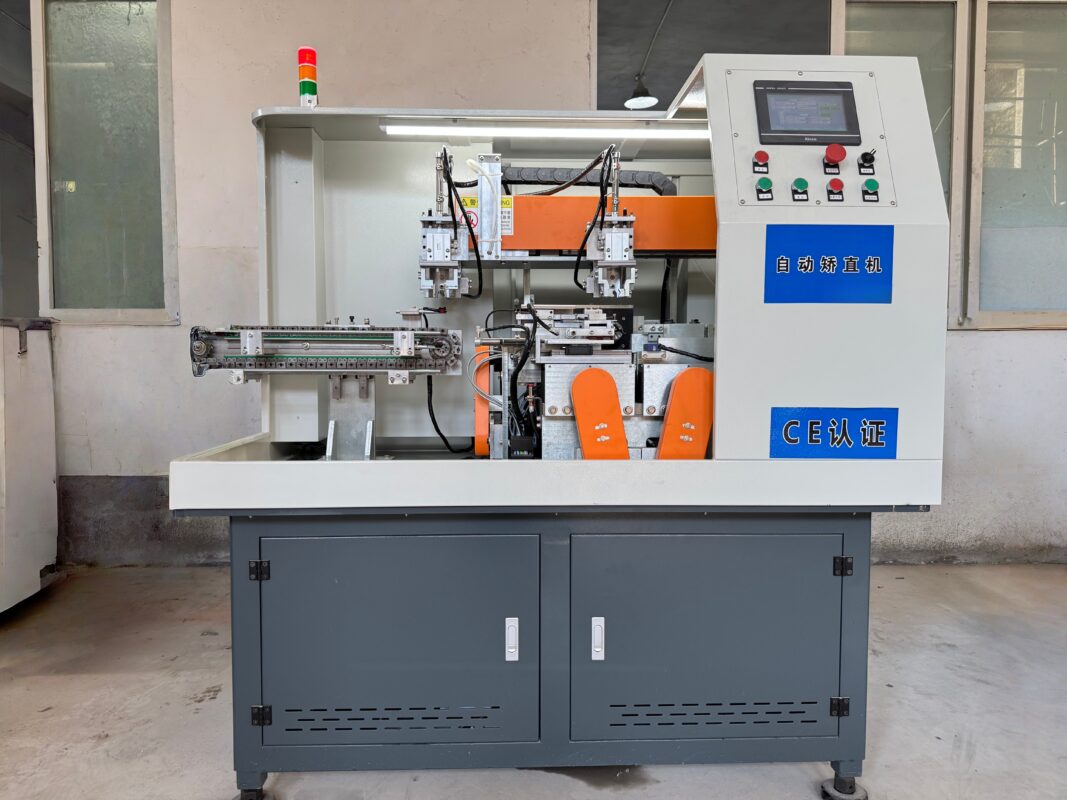
The grating ruler is what makes the process trustworthy at the 0.2 mm level. A resolution fine enough to see a few microns of movement means the system can distinguish between a bend it must correct and measurement noise it must ignore, which is the practical difference between a machine that converges in one or two presses and one that chases its own readings. The underlying press-straightening mechanics are explained in the point press straightening process.
Batch practice is the last piece. Wood drill bits are produced in bulk, and the machine is fed accordingly: parts arrive with mixed bend patterns, some single bends, some S-curves, and the measurement does the sorting logic automatically because every part starts from its own bend map. Nothing in the cycle depends on the previous bit having been similar, which is why the last part of a shift measures the same as the first.
Wood Drill Bits Straightening Machine Video
Wood drill bits straightening Machine video is as following:
Further Reading
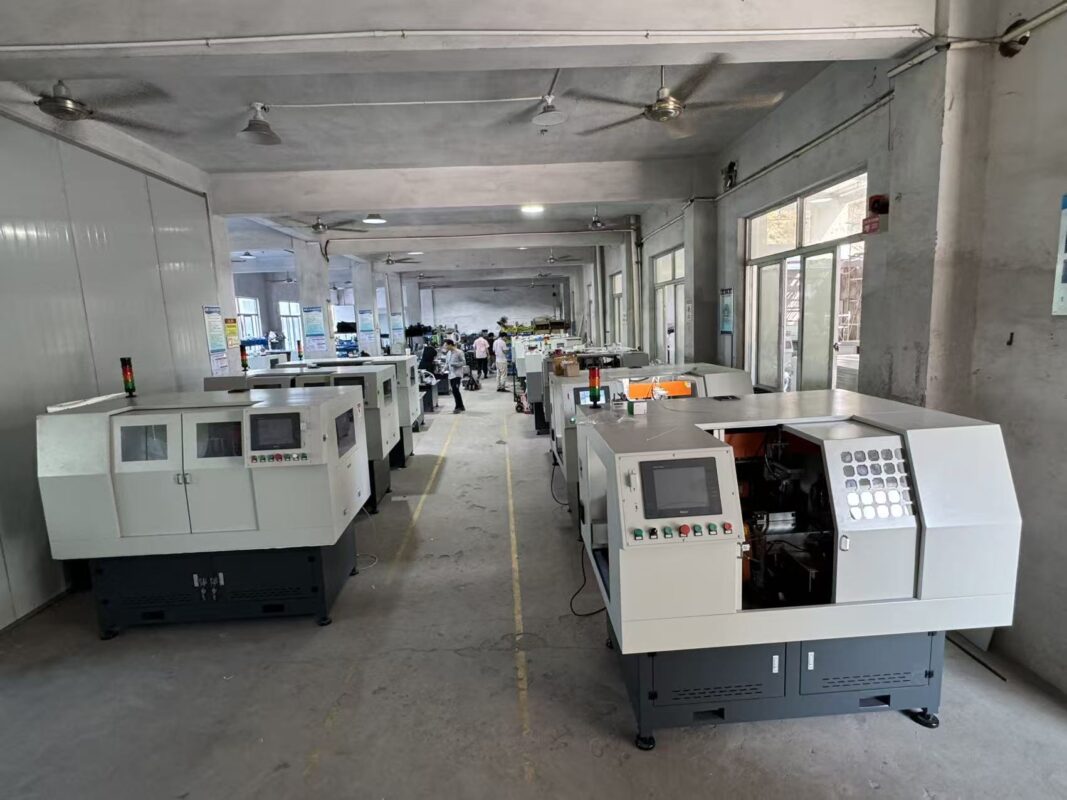
For the machine-focused overview of this family, see our page on the wood drill bits straightening machine from China. Drill bits and similar drilling tools are covered in depth in drilling tools straightening, and the wider tooling family in tool straightening solutions.
please visit our website for more information:
www.straighteningmachinery.com
Amolin Solution | Straightening Machine | wood drill bits |wood drill bit | wood drillbits | wood drillbit |