
Precision Straightener
Precision Straightener
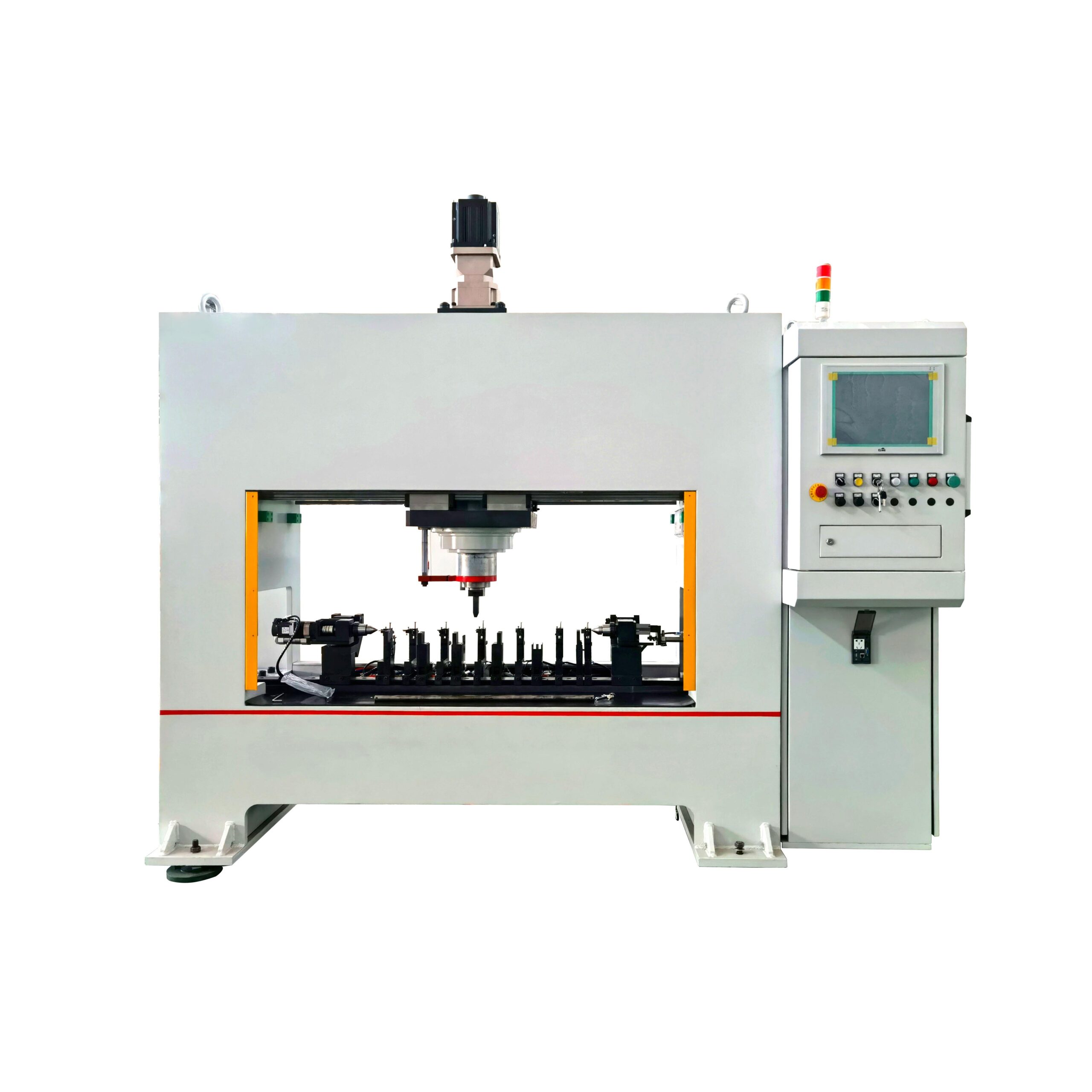
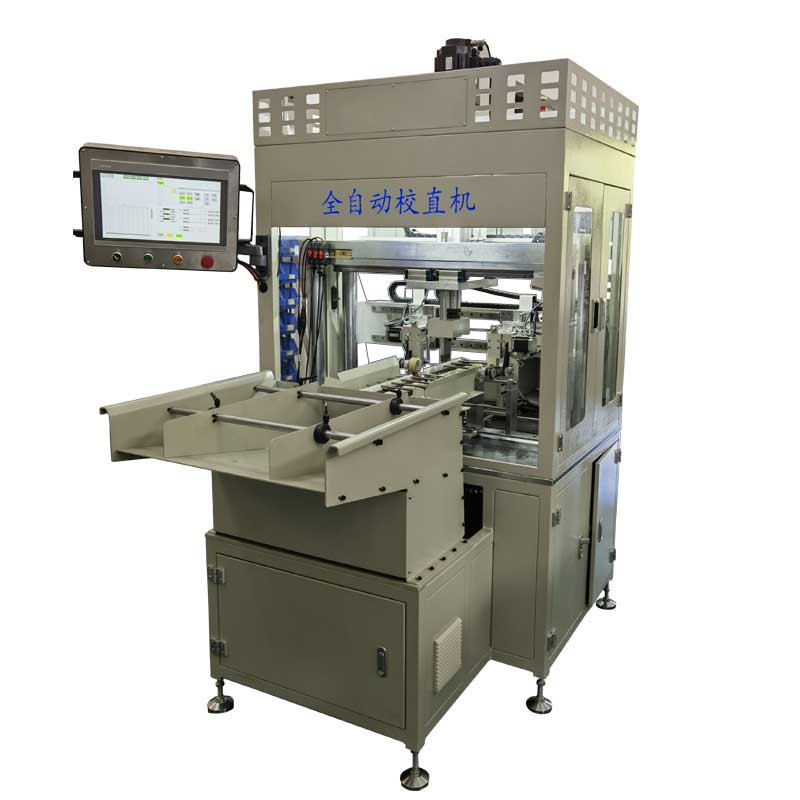
The Characters Of Precision Straightener
- Unattended operation: workpiece clamping, data measurement, workpiece straightening and tolerance confirmation are automatically completed;
- High Precision: Measuring tolerance ≤ 0.005mm, The straightening accuracy can reach 0.015mm
- High Stability: 24-hour continuous operation
- Detailed Straightening data are provided for each pressing
- With the remote diagnosis function
- Providing English or Spanish or Portuguese Language for the Touch Screen
- Detailed technical guidance documents are provided and the operator can run the machine without complex training.
- The controlling system can be connected to the Workshop-Management-System
- We can design and provide the machine with the CE standard
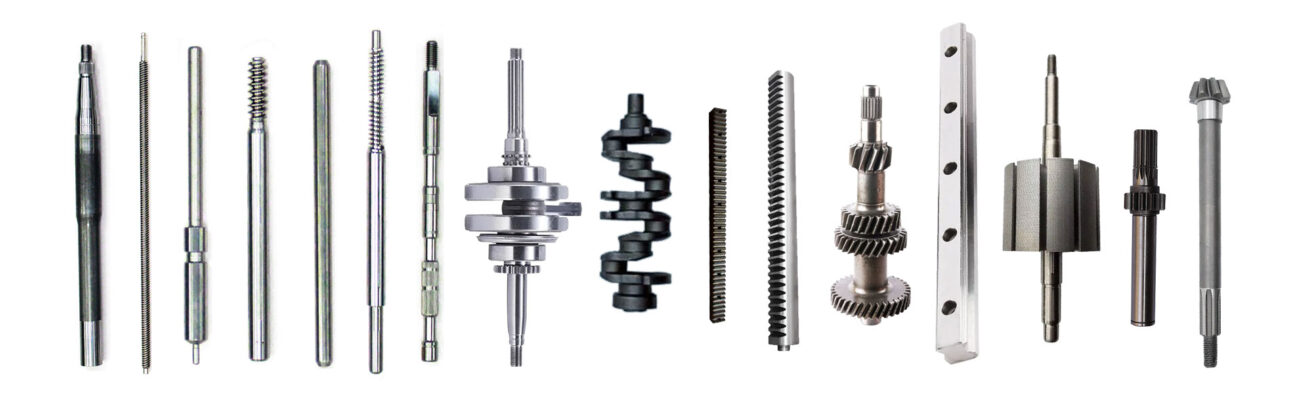
Application Of Precision Straightener
What Defines a Precision Straightening Machine
The precision line exists for parts where straightness is a functional specification, not a cosmetic one — shafts, guide components and precision workpieces whose deviation transfers directly into vibration, run-out and premature wear in the final product. What separates this line from standard straighteners is the closed loop: workpiece clamping, data measurement, workpiece straightening and tolerance confirmation all complete automatically, unattended.
The numbers behind the designation: measuring tolerance down to 0.005 mm, straightening accuracy down to 0.015 mm, stability over 24-hour continuous operation. Every pressing is documented — detailed straightening data is provided for each correction — and remote diagnosis is built in, with English or Spanish operating interfaces.
Two Machines, One Philosophy
- High Performance Straightening Machine — door frame structure for maximum mechanical strength, servo technology for high accuracy, IPC + PLC + touchscreen control and a more intelligent automatic straightening control system. The reference applications say it best: crankshafts and ball screws.
- Low-Cost Straightening Machine — the same servo-based automatic straightening philosophy in a lightweight, compact structure, with PLC + touchscreen control. Proven on worm shafts and round rods.
Both machines give you the precision-line essentials — measured correction, verified tolerance, data for every pressing. The choice between them follows part value and throughput, not a trade-off in principle.
Where Precision Straightening Pays
Any part that rotates at speed or positions another component benefits directly: automotive shafts and drivetrain parts, ball screws and lead screws, worm shafts, spindles and precision rods. When a part’s straightness is measured after every correction and documented per pressing, tolerance drift stops being a workshop mystery — which is exactly what precision buyers audit.