
Wire & Tube Straightener
Wire & Tube Straightener

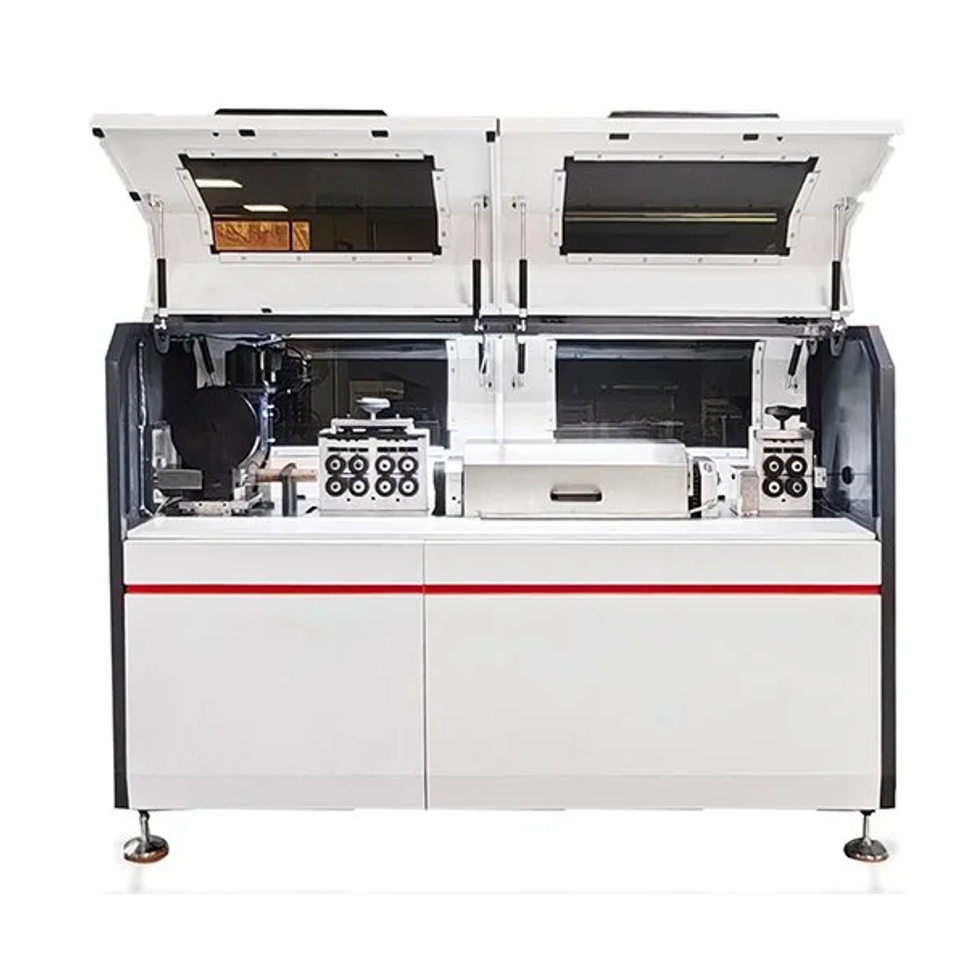
Application Of Wire & Tube Straightener
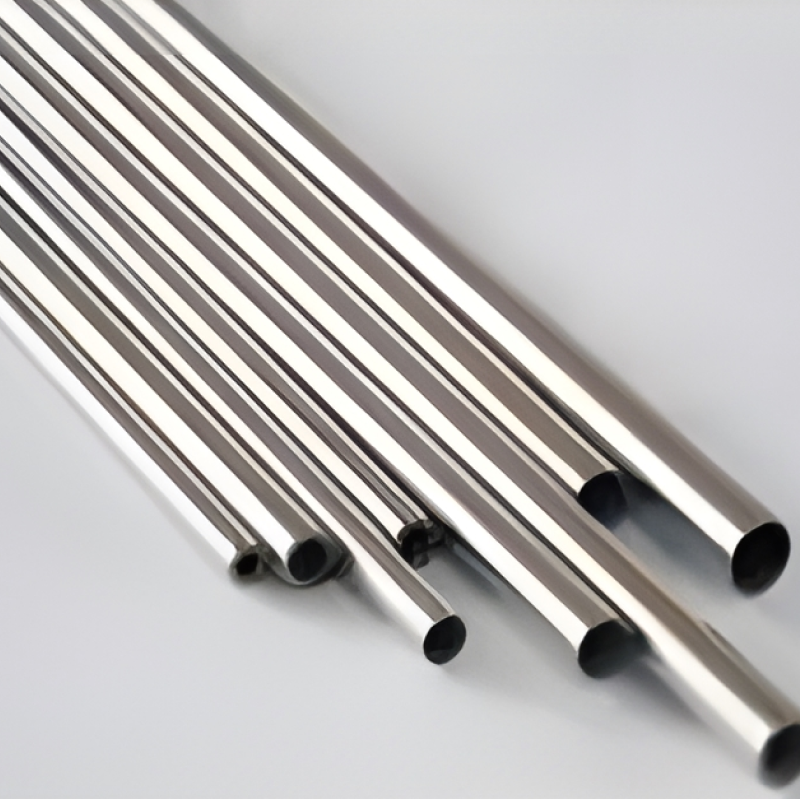
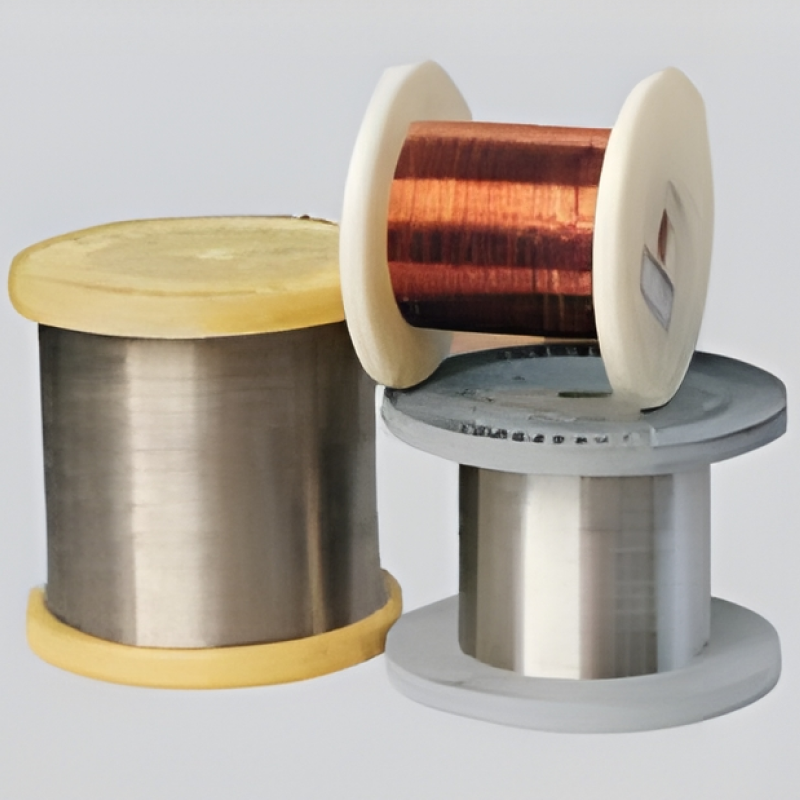
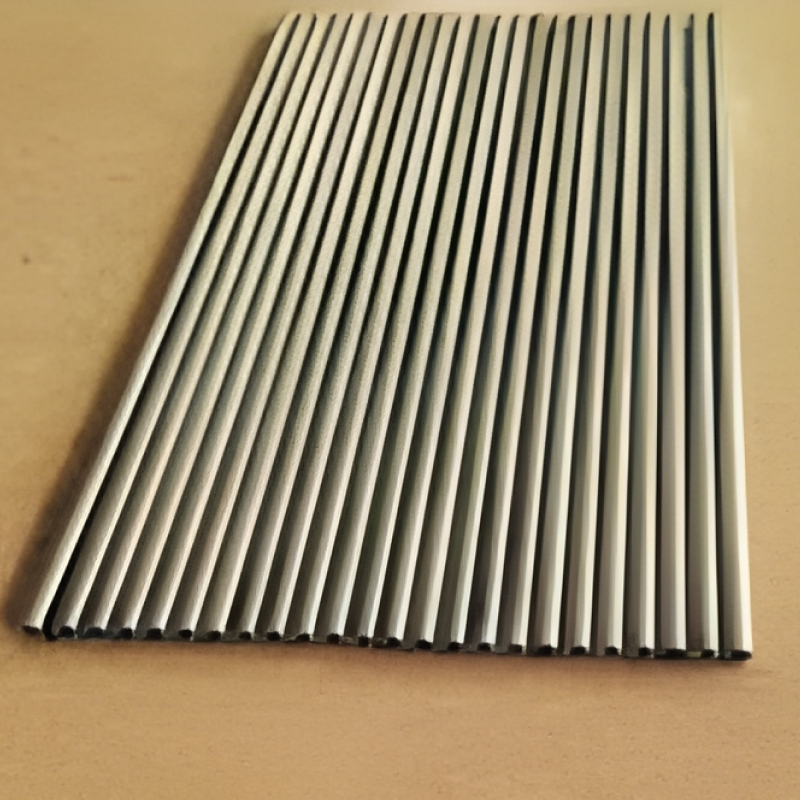
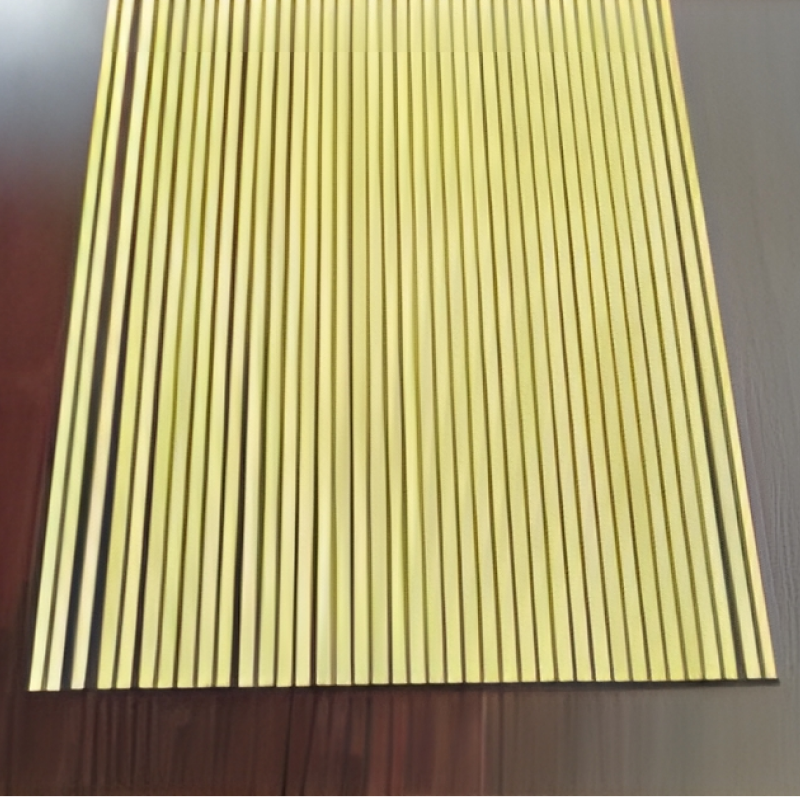
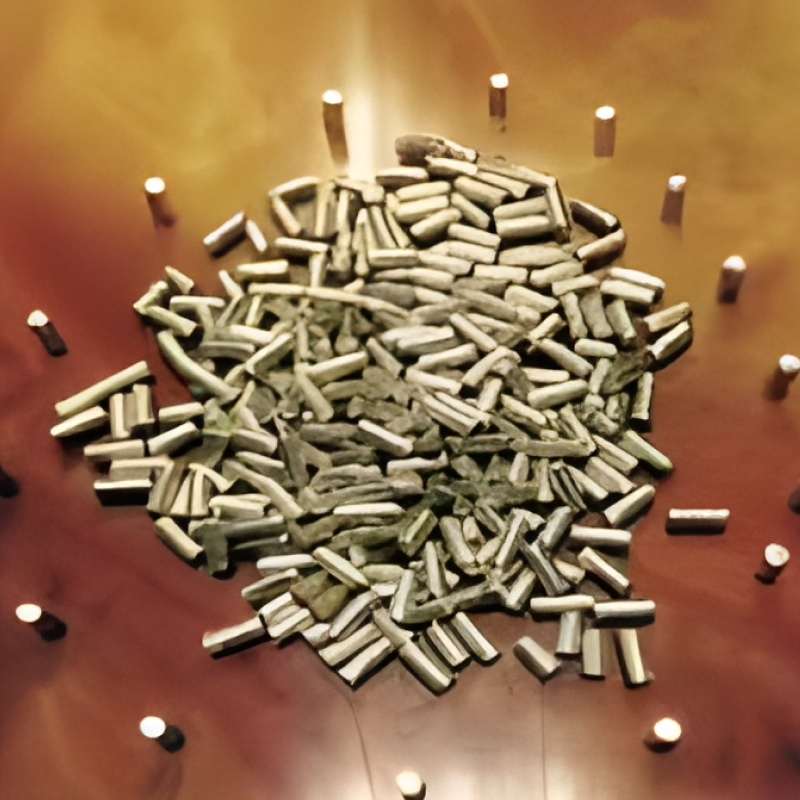
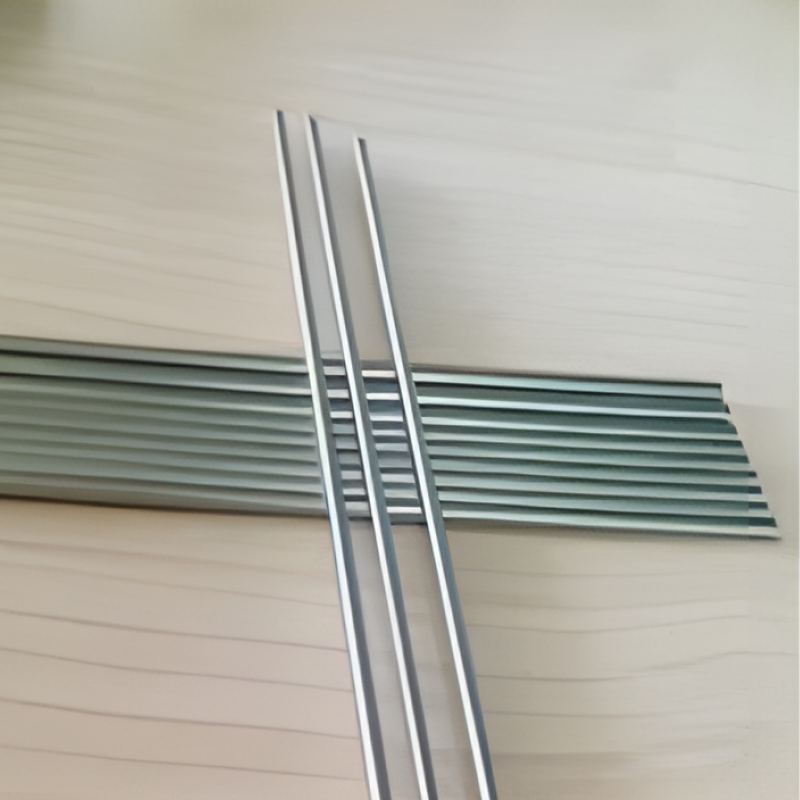
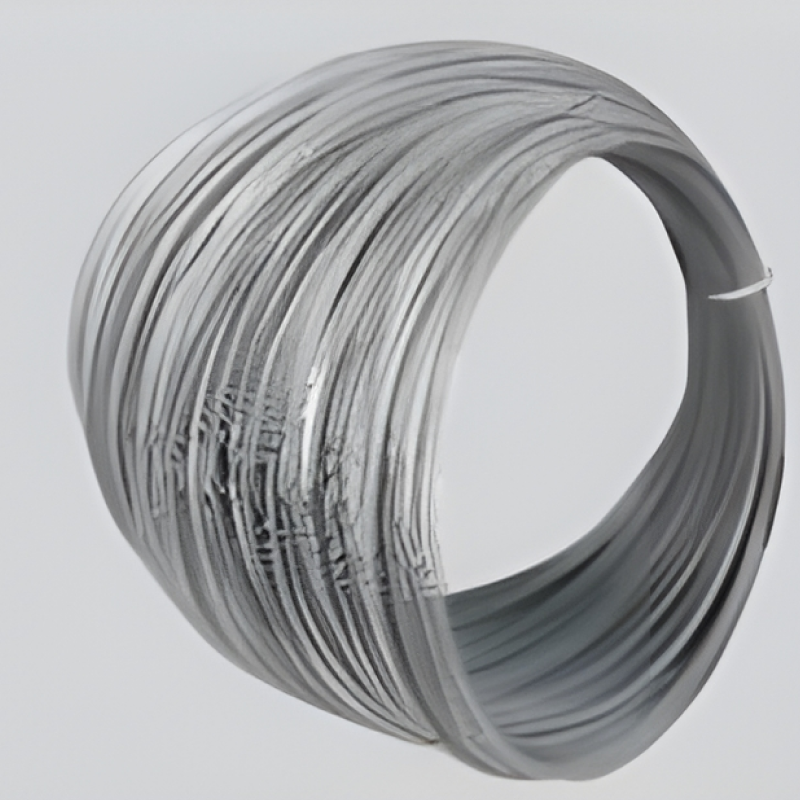
What a Wire Straightening Machine Does
Wire is produced and transported in coils — it is the only economical form for drawing, annealing and shipping. But nearly every downstream use needs it straight: cut lengths for pins, shafts and contacts; spokes and guide wires; straight tube sections for instruments. A wire straightening machine converts coiled wire into straight, dimensionally stable stock, either as a through-feed line or as an integrated part of a processing cell.
The working principle is roller-based: the wire passes through rolls that bend it alternately in opposite directions, plastically correcting the full cross-section and equalizing the internal stresses left by drawing and coiling. The result is stock that stays straight after cutting, handling and further processing instead of springing back to coil memory.
Two Lines, Two Missions
Our wire straightening program splits into two purposeful lines:
- High-Performance Wire & Tube Straightening Machine — an all-new design with several patented technologies, built for precision fine wire and for tube or hollow wire. This is the line for medical equipment, aerospace, precision instruments and other applications where the straightness specification is measured in hundredths of a millimetre.
- Low-Cost Wire Straightening Machine — a through-feed line consisting of the straightener and an uncoiler with its own motor drive. A practical, economical configuration for general wire processing where the specification is standard rather than extreme.
Choosing between them is a question of the tolerance you must hold and the value of the part — send the workpiece specification and we match the line.
Applications for Straight Wire and Tube
Straightened wire and tube feed a wide industrial span: medical equipment (needles, guides, fine instrument components), aerospace and precision instruments, automotive parts, and the electronic and electrical industries where straight lengths become contacts, terminals and pins. Whatever the industry, the machine configuration follows the same logic — material, diameter, tolerance and throughput define the line.