

Complete Straightening System And Appropriate Straightening Solution
Despite advanced manufacturing processes, many forged or turned workpieces and profile-type parts produced for precision applications are not totally straight. This can create vibration during machining and grinding operation required to finish the workpiece, potentially damaging tooling and creating quality issues……
China is the country with the most complete industrial system in the world and also China has the largest industries base for straightening equipment in the world. We have a strong and experienced team, who have abundant technique accumulation and rich manufacturing experience and we can provide the straightening solutions for different fields according to your requirements. We can provide the appropriate straightening solution according to your requirements. sometimes the different straightness may mean a different straightening solution and even the different budget means the different straightening solution……
Machine Customization And Maximizing The Capability Of The Machine
More important is, due to our strong system-integration-capabilities, our machines stand out in the competition. We accept any reasonable customization requirements to ensure that the machines can achieve higher levels of safety, stability, reliability, human-machine friendliness, and to ensure the machine can communicate with external devices and other systems so that we can get higher levels of equipment automation, intelligence, and informatization.

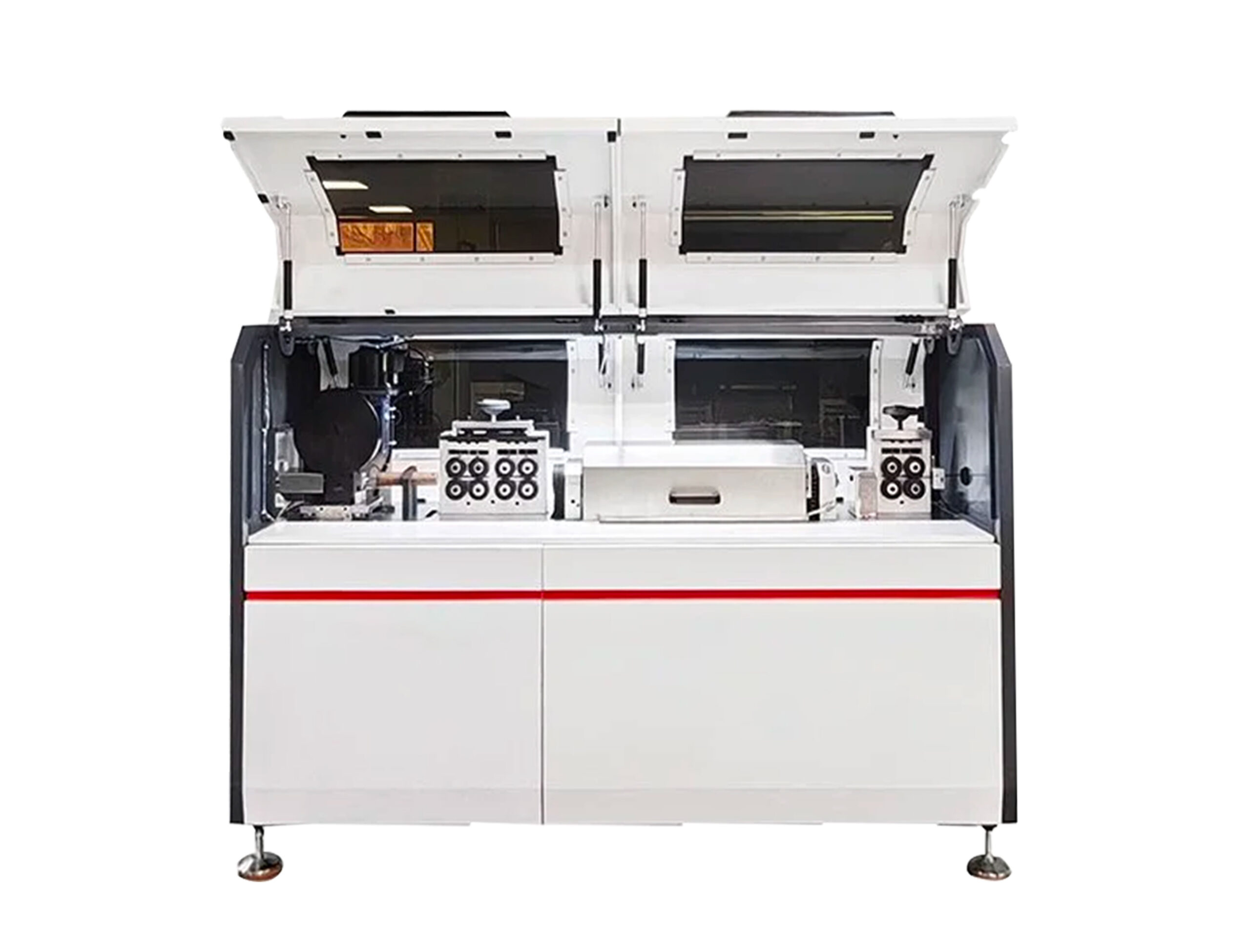
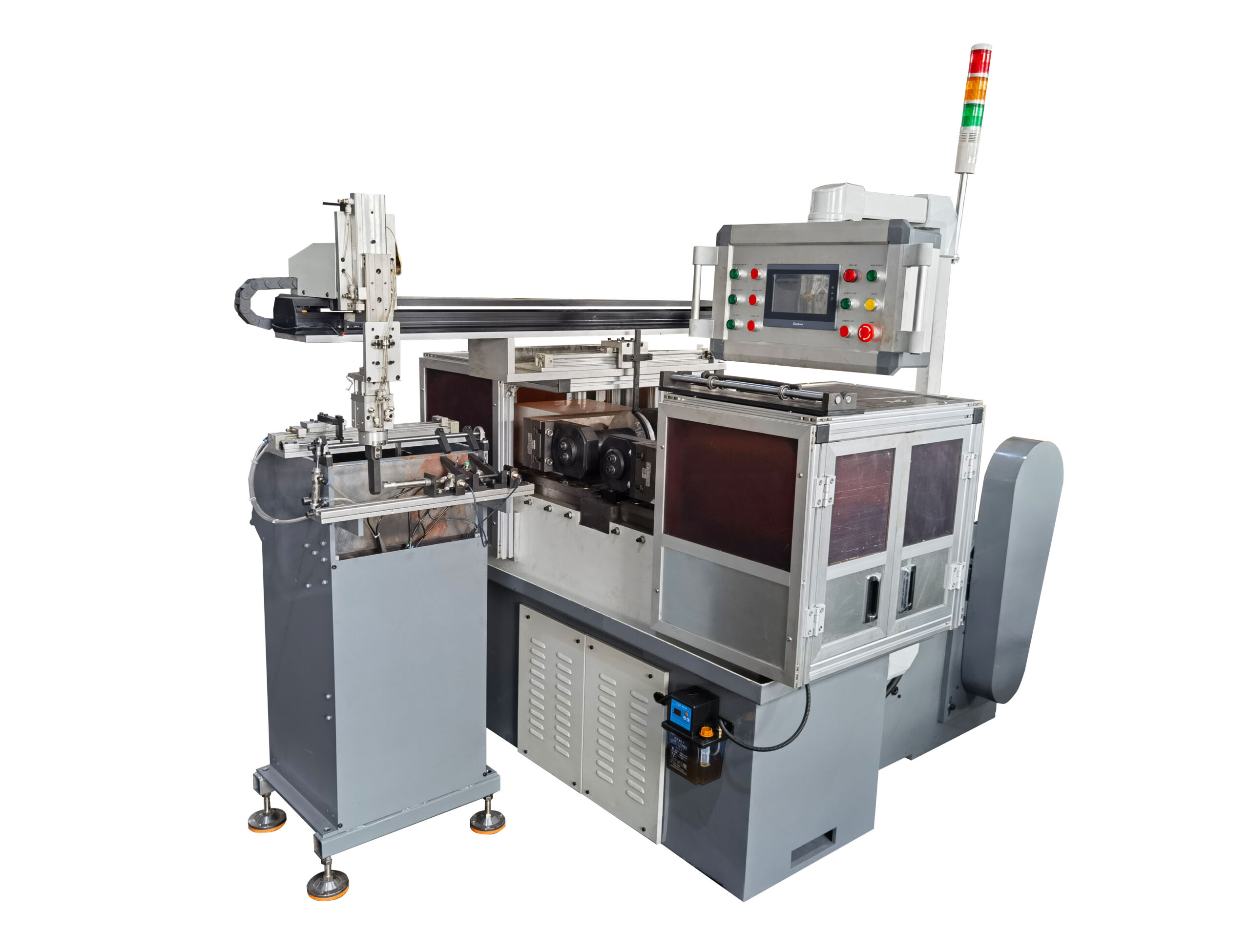
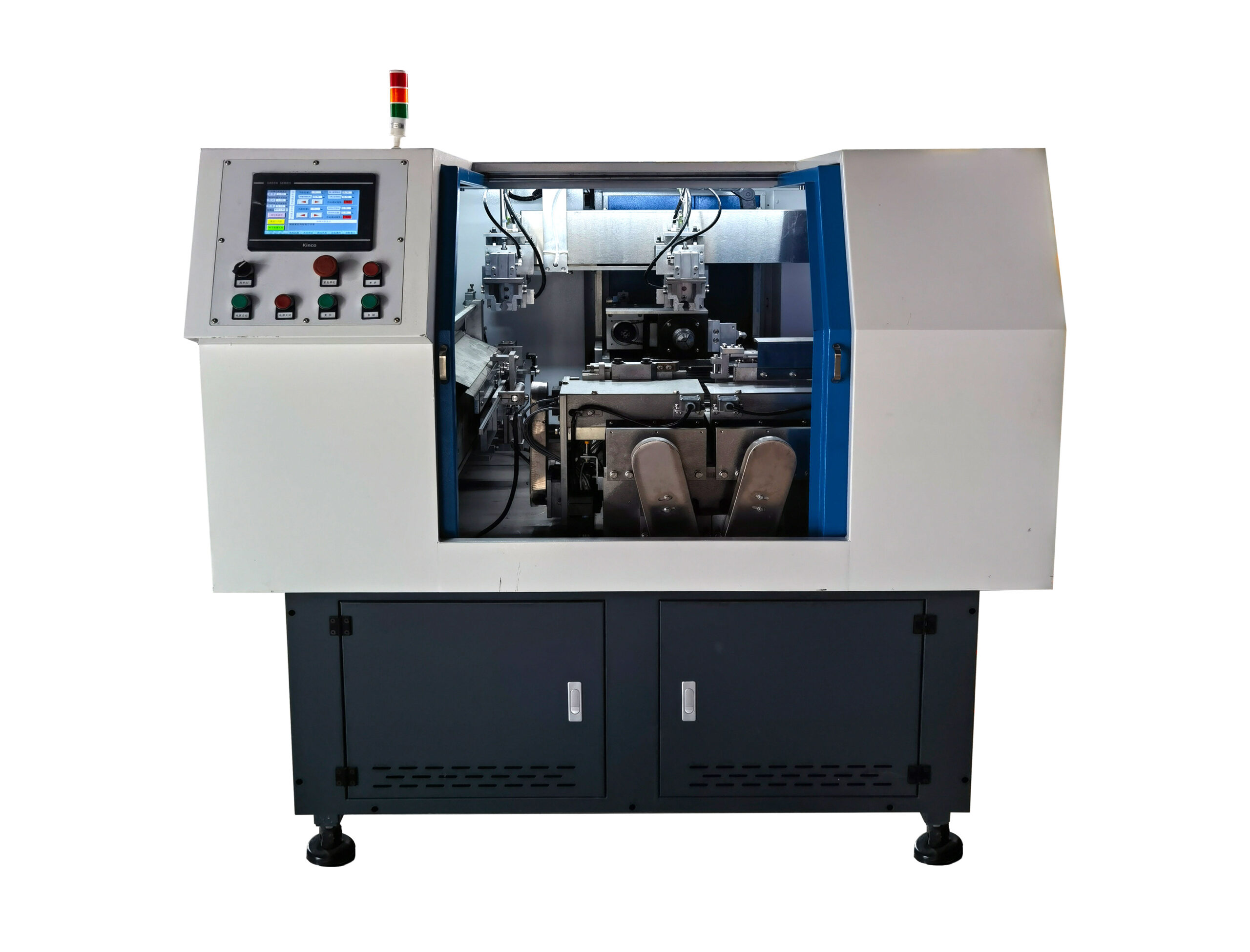
Straightening Machine

Have Question?
Call us or leave your phone number, and we call you back
Straightening Machine Lines for Every Workpiece Family
Despite advanced manufacturing processes, many forged or turned workpieces and profile-type parts produced for precision applications are not totally straight. The right machine for the job depends on what you are straightening — our program covers the four families below, from coiled wire to solid bar stock and precision tools.
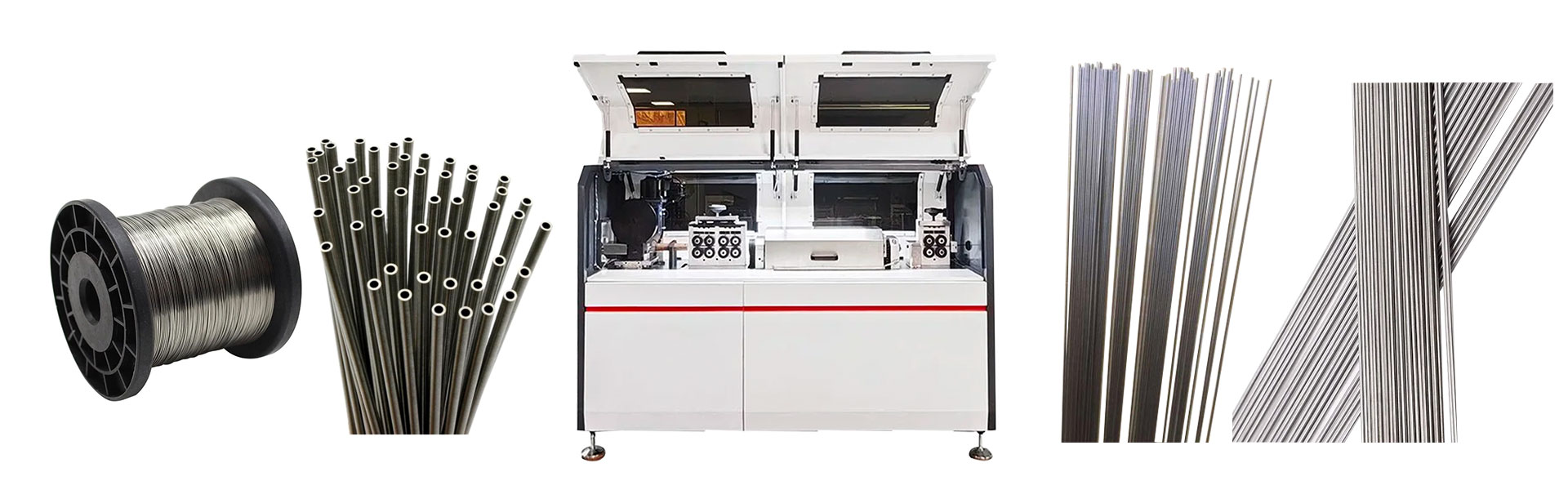
Wire straightening machines handle coiled and straight wire as well as tube stock, from economical through-feed lines to high-performance precision fine wire straighteners used in medical equipment, aerospace and precision instruments.
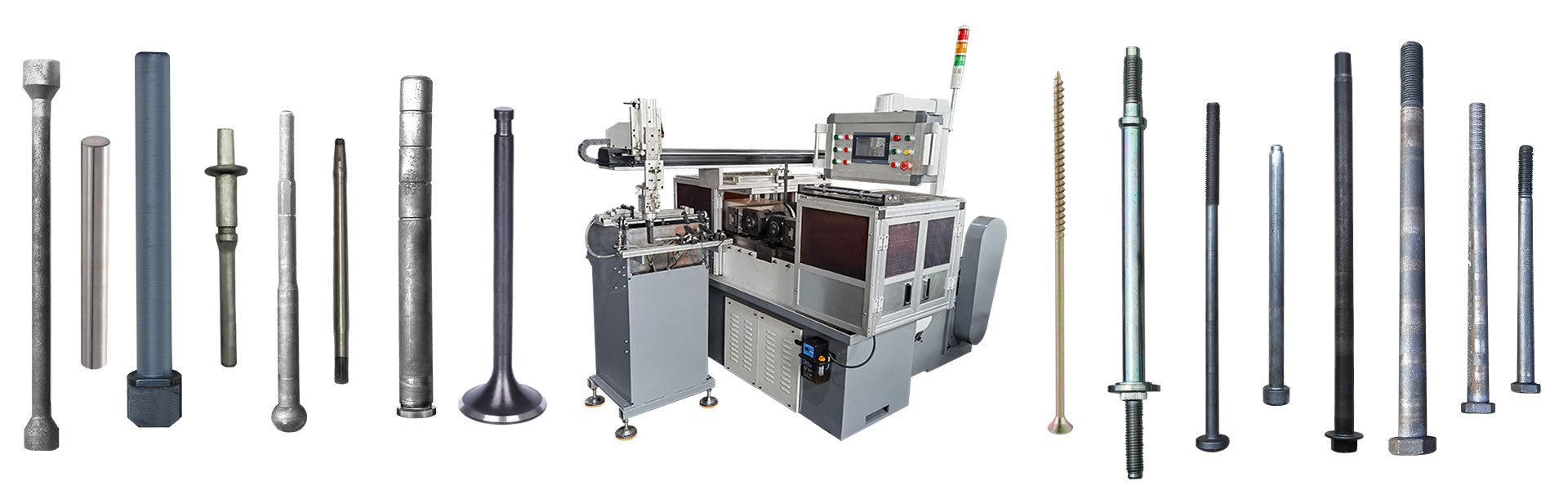
Bolt and rod straightening machines cover fastener production and bar stock: the AMH-B series for bolts and screw stock up to 50 mm diameter and 1200 mm length, the vertical AMH-VB10 for long slender screws, and the single curve roller AMH-R series for solid rods and pipe.
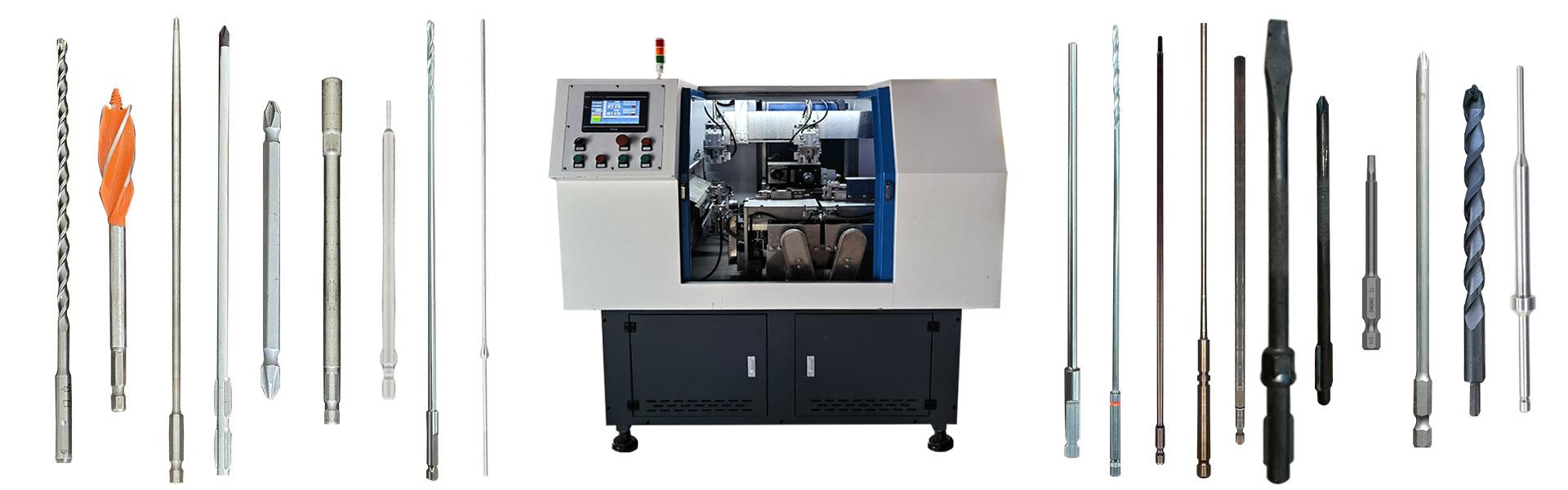
Tools straightening machines are built for drill bits, screwdriver bits and medical drill bits — workpieces where straightness directly defines cutting performance, measured on the machine with grating rulers and stored per part number.
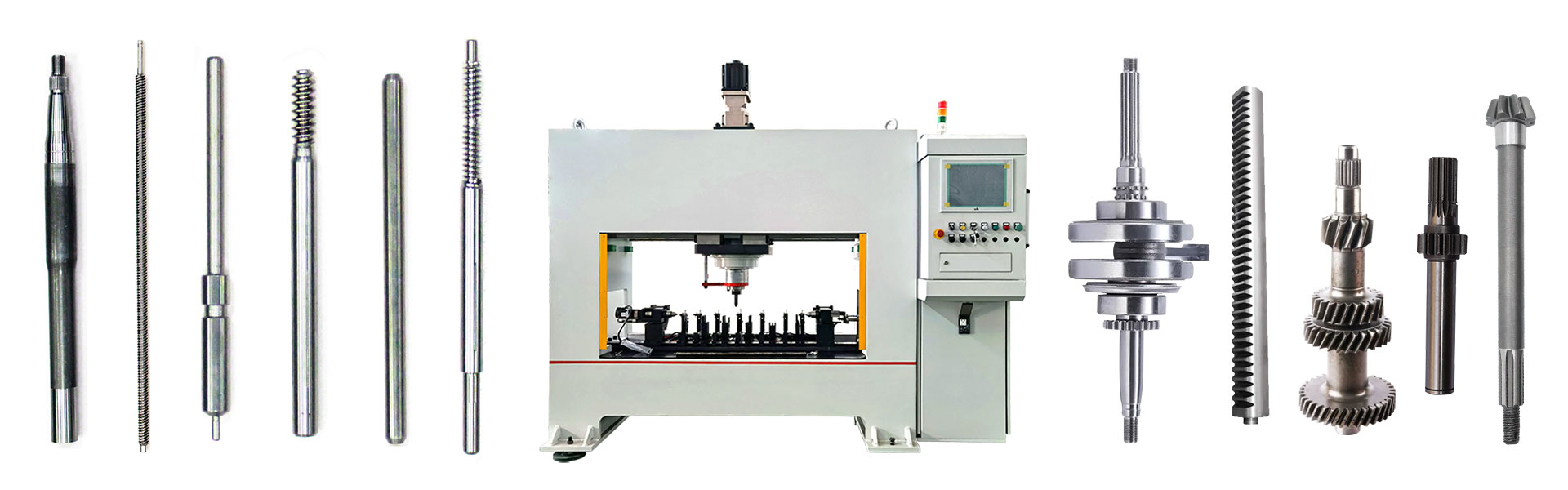
Precision straightening machines are fully automatic systems in which workpiece clamping, data measurement, straightening and tolerance confirmation are completed unattended, with detailed straightening data provided for each pressing.
Straightening Applications Across Industries
Straightening is not a niche step — it is the quality gate between material production and precision manufacturing. In the automotive industry, shafts, bolts and steering components must run true at speed, and vibration from a bent part damages tooling and assembly equipment downstream. In medical device manufacturing, needles, drill bits and ultra-fine wire demand straightness that is measured in hundredths of a millimetre. Aerospace and precision instrument makers straighten shafts and guide components before grinding; the electronics and electrical industries feed straight wire and tube into contact and terminal production; fastener manufacturers correct screws and bolts after forming and heat treatment; and general machining shops straighten bar stock before it ever touches a lathe.
The common thread: every one of these industries loses money on bent parts — in scrapped material, interrupted machining, jammed assembly lines and rejected lots. A correctly specified straightening machine pays for itself by removing that loss at the source.
From Measurement to Verified Straightness
A modern automatic straightening machine is a measuring system first and a pressing system second. The process runs as a closed loop: the workpiece is clamped, straightness is measured at predefined positions along its length, a controlled corrective force is applied exactly where the deviation sits — relieving the internal stress that holds the bend — and the result is measured again. Only parts inside tolerance leave the machine.
Because each correction is recorded, the machine produces detailed straightening data for every pressing. That data is what turns straightening from a craft into a controlled process: deviations can be traced by batch, parameters are stored per workpiece type, and quality reports accompany the parts. Unattended operation over 24-hour shifts is standard on the precision line, and remote diagnosis connects our engineers to your machine for commissioning and support over the network — wherever your plant is.
Custom Engineering, Not Catalog Trading
Every production line is different, and straightness specifications differ with them — sometimes the same straightness requirement means a different straightening solution, and a different budget means a different solution too. We accept reasonable customization requirements to raise the safety, stability, reliability and human-machine friendliness of the machine, and to let it communicate with external devices and systems for higher levels of automation, intelligence and informatization in your workshop.
Machines can be engineered to CE standard, with options including remote diagnosis and workshop automation. Tell us the workpiece drawing, material, current deviation and the tolerance you need to hold — we respond with the appropriate straightening solution for your requirement, not the machine we happen to have in stock.