
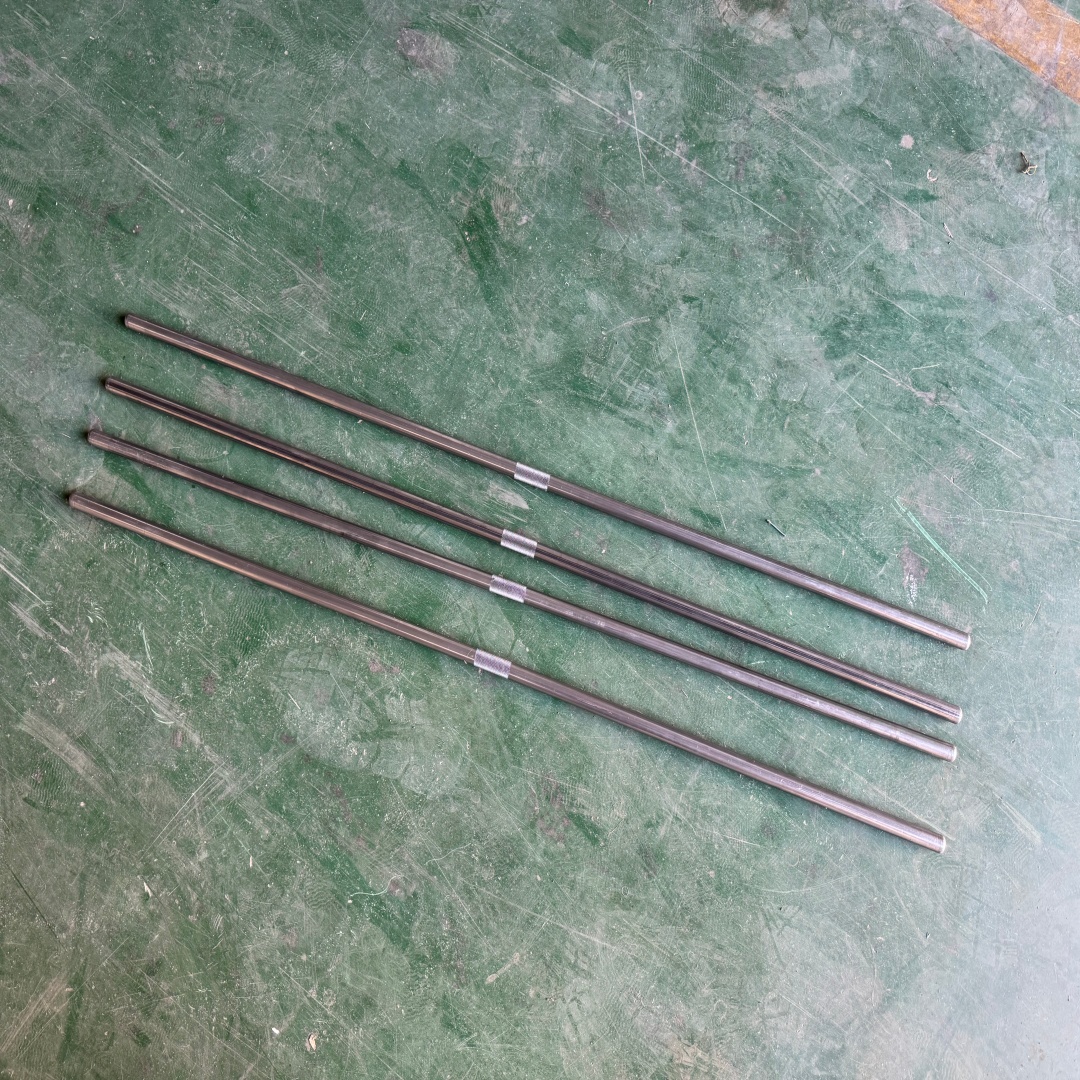
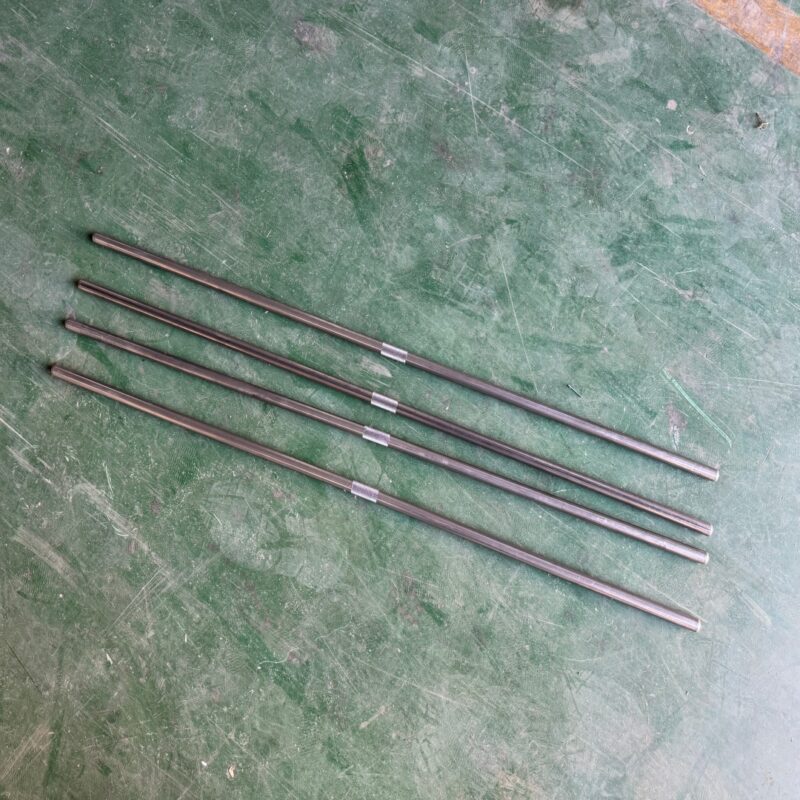
Tube Straightening Machine
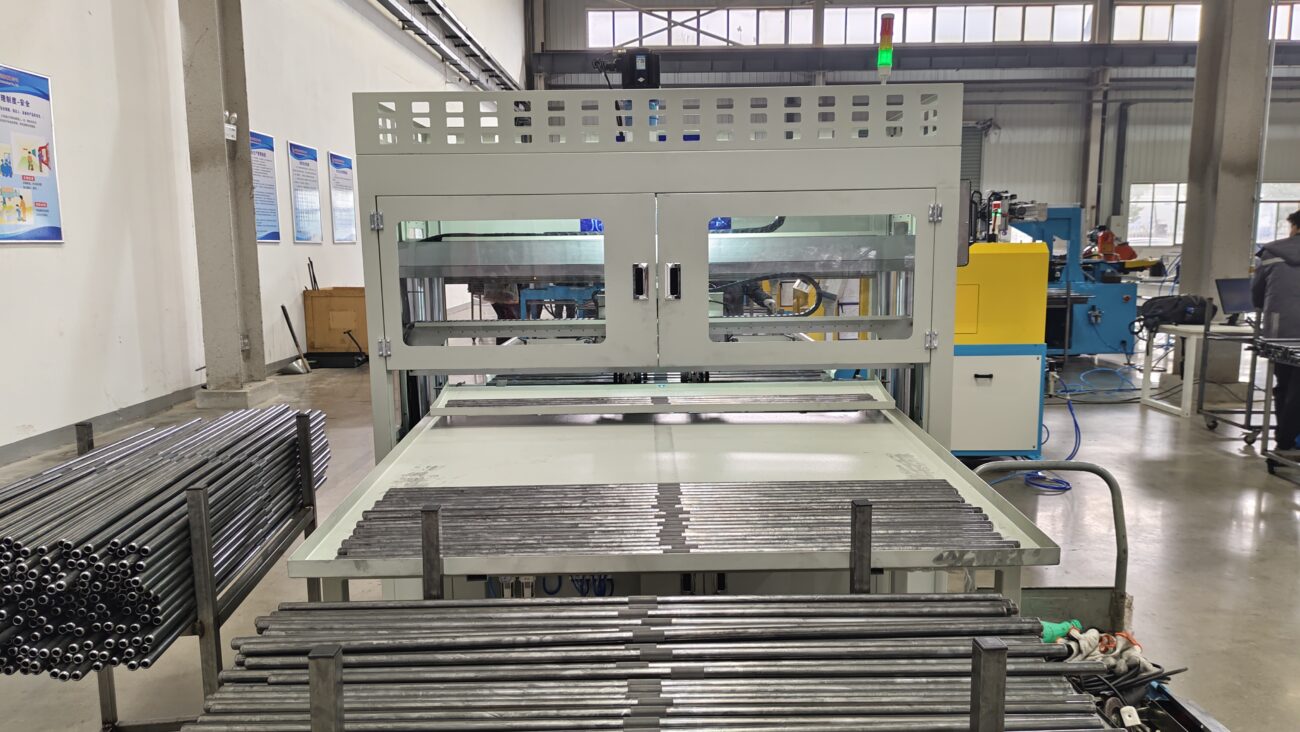
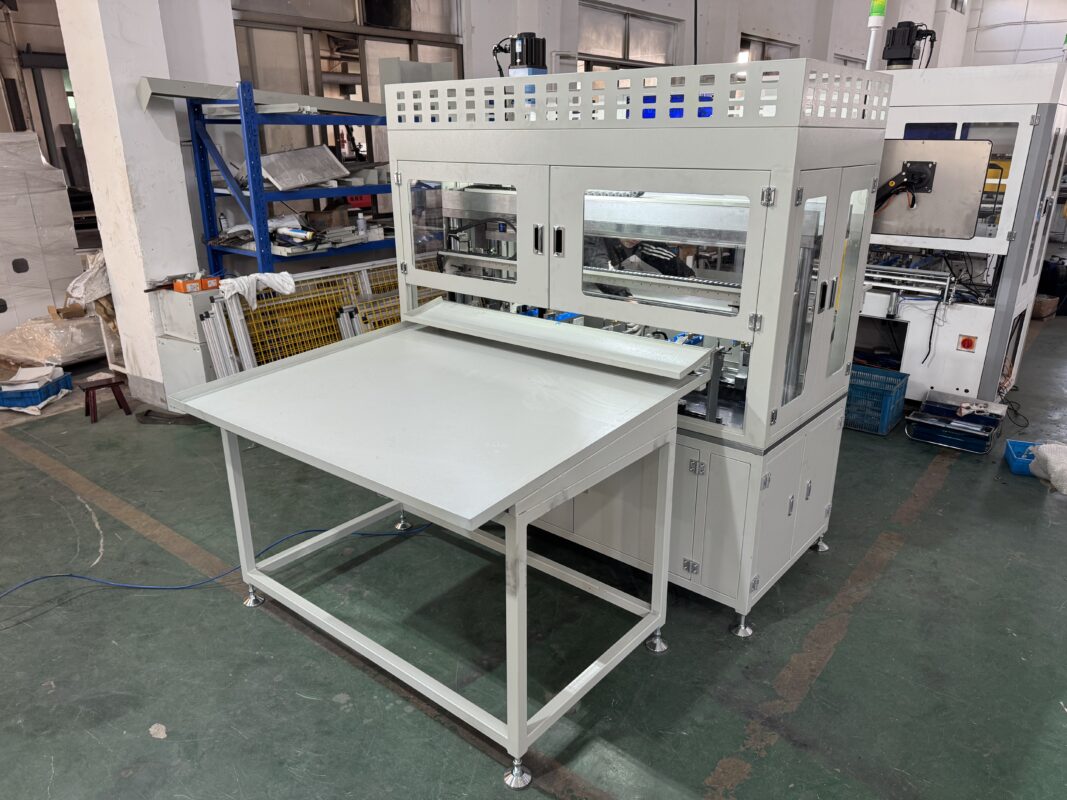
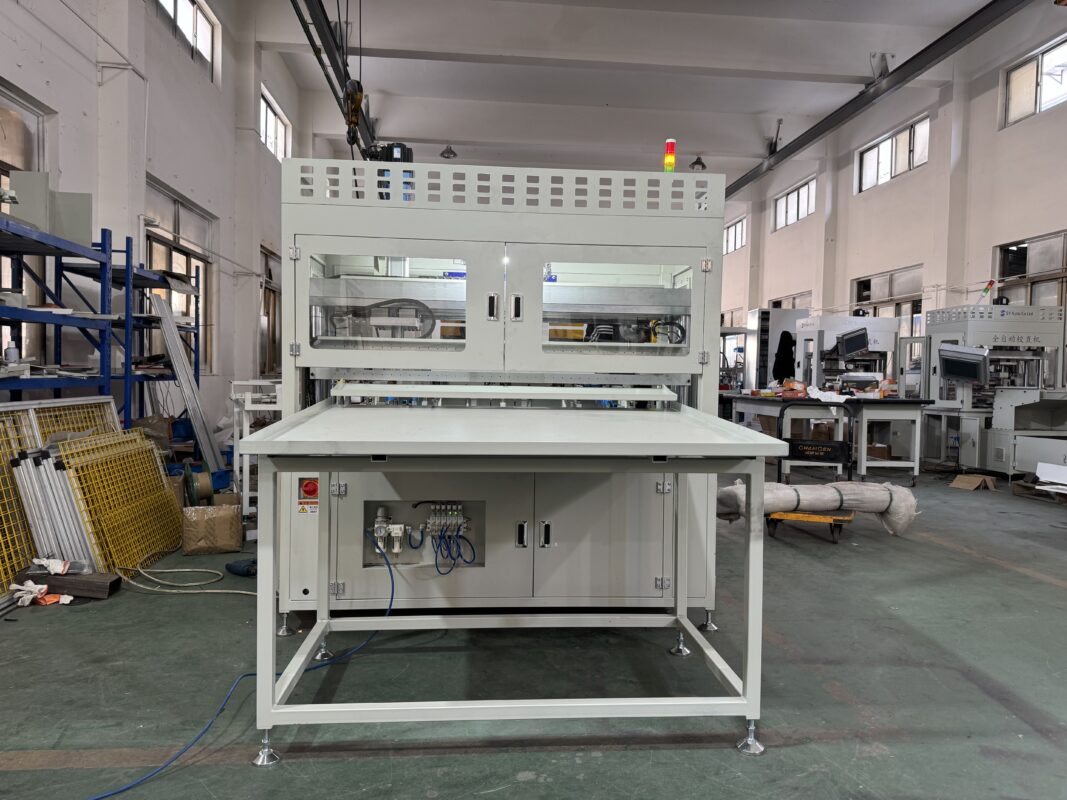
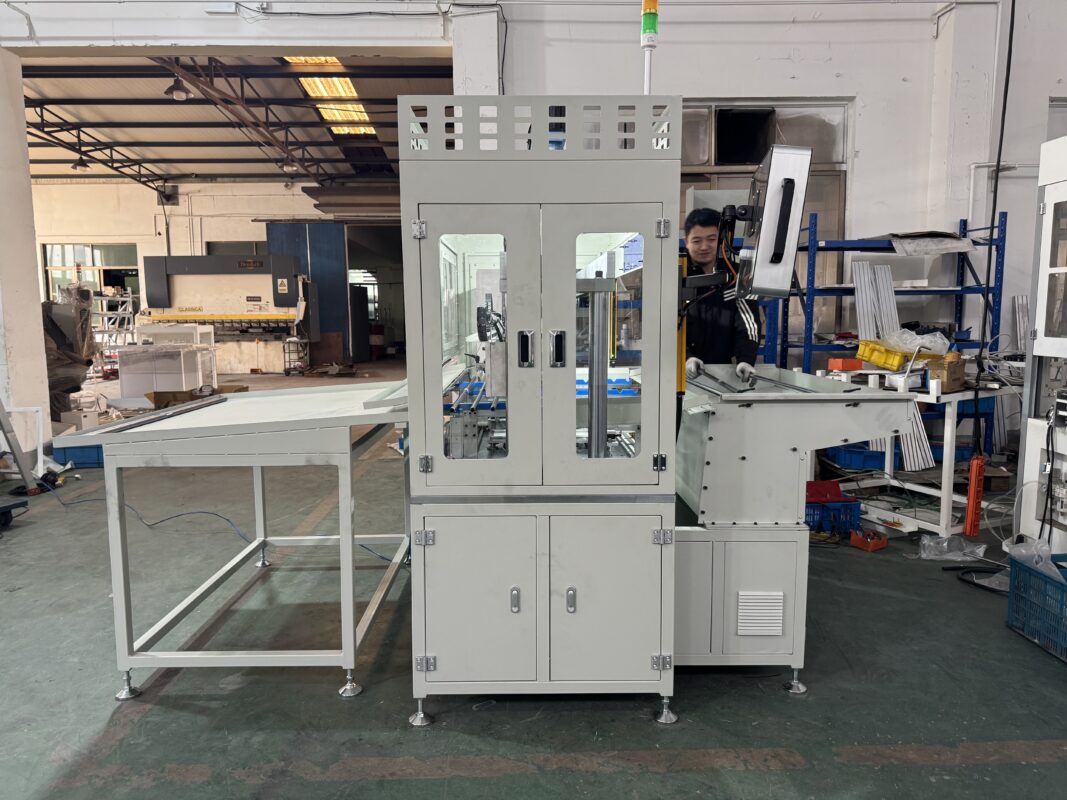
This application involved tubes of 25 mm diameter and 1,300 mm length, straightened to 0.1 mm straightness at the middle area on an AMS-PS1500 straightening machine. The photos and running video below show the actual machine and workpieces from the test.
Tube Size: Diameter25mm and 1300mm length
Straightness : 0.1mm at the middle area
Straightening machine:AMS-PS1500
What “Straightness at the Middle Area” Means
Tube specifications often state straightness over a defined gauge length rather than the full part. When a drawing calls out 0.1 mm at the middle area, the acceptance measurement concentrates on the central span of the tube, where bend most affects downstream assembly and rotation. The machine therefore measures runout along the tube, identifies the magnitude and direction of the bend at each point, and presses only where the profile demands it.
The distinction matters commercially as well as technically: full-length scanning and middle-area verification answer different questions, and agreeing on the measurement method before production avoids disputes at acceptance. The difference between ovality and centerline straightness, and why a tube can pass one but fail the other, is explained in tube ovality vs. centerline straightness.
How the AMS-PS1500 Handles the Cycle
The tube is measured first. Displacement sensors scan the runout profile while the control system builds the bend map. The servo press then corrects each point in sequence, and after every press the system remeasures before moving on. The cycle ends only when all straightening points are inside the tolerance set on the control panel, so the operator never has to judge by eye whether a tube is finished.
Machine Photos
Machine Running Video
Machine running video:
From Trial to Production
A single good tube proves the process; a production run proves the machine. When the trial straightness is agreed, the next questions are throughput and stability: how many tubes per hour the line must produce, how the tubes are fed and removed, and what happens to a tube that cannot be corrected. On automatic machines the sorting function handles the last point, discharging out-of-tolerance parts to a reject lane instead of letting them rejoin good production.
Stability over a shift depends on details that are easy to overlook at the trial stage: fixture repeatability between tubes of the same nominal size, sensor cleanliness in a workshop environment, and how the machine behaves when a batch contains mixed bend patterns. A machine that measures every tube from scratch, rather than assuming the previous bend map, absorbs batch variation without operator intervention, which is the practical difference between an automated line and a press that merely moves on its own.
What to Send for a Tube Trial
To run a tube straightening trial, send the tube diameter, length and material, the required straightness and where on the tube it applies, and sample tubes from your actual production. We measure the incoming runout, straighten the tubes on the machine, and record the after profile, so the trial result is a documented before-and-after comparison on your parts rather than a verbal assurance.
Wall thickness belongs in the first message even when it seems obvious from the diameter, because thin-walled tubes respond to pressing differently from thick-walled ones: they spring back less predictably, mark more easily, and in the worst case ovalize under a support that was sized for a stiffer section. The machine settings that hold 0.1 mm on a thick wall can fail on a thin wall at the same nominal diameter, which is why the tube specification, not only the tolerance, drives the setup.
Related Tube Straightening Knowledge
For other tube families and deeper process background, see seamless steel pipe automatic straightening solutions, straightening of thin-walled metal pipes and the cross-family comparison in shaft, profile and tube straightener selection.