
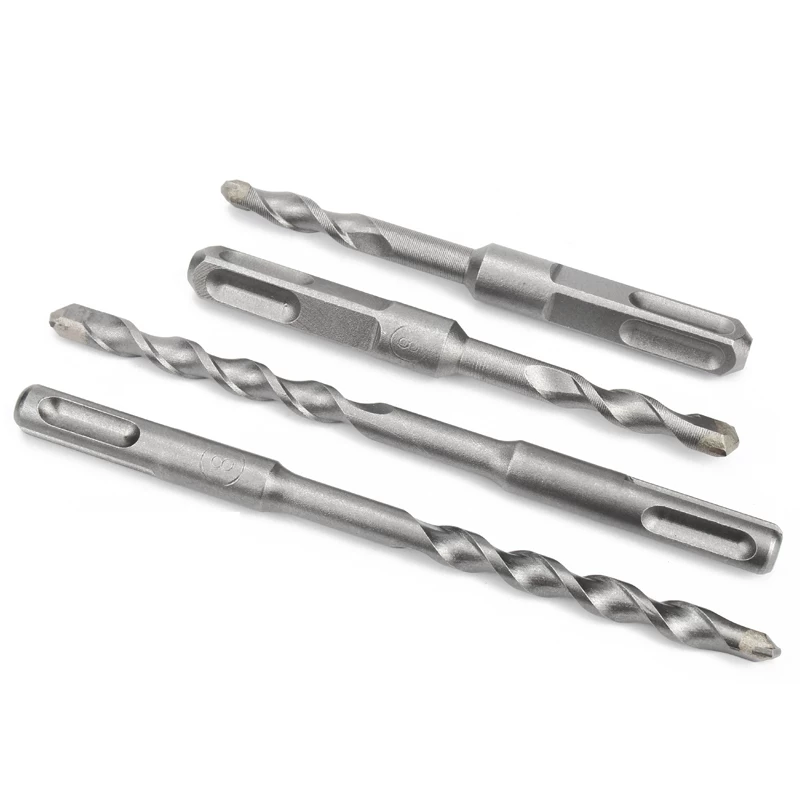
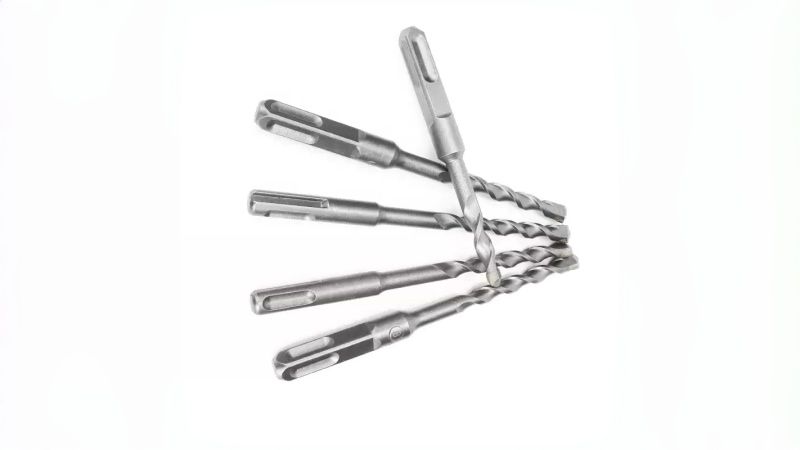
Rotary Hammer Drill Bits: Straightening Pain Points and Smart Solutions
Rotary hammer drill bits are core consumables for construction, renovation and infrastructure projects. Straightness directly determines drilling accuracy, service life and construction safety — yet drill bit straightening remains a universal production bottleneck for manufacturers.
Key Straightening Pain Points
Key Straightening Pain Points
- Severe Springback & Secondary Bending Made of quenched & tempered 40Cr/42CrMo steel, drill bits feature asymmetric spiral flutes and special SDS shanks. Heavy residual stress causes re-bending after grinding and carbide tip welding; over-pressing creates invisible micro-cracks that lead to bit breakage under impact. Extra-long bits suffer worse sagging deformation during heat treatment.
- Complicated S-shaped Compound Bending Most bits are not simply arched but twisted in multiple segments. Manual straightening relies on worker experience, with unstable consistency, low efficiency and high labor costs.
- Special Structure Limits Positioning Intermittent spiral grooves damage standard V-block supports; SDS/Four-square shanks create straightening blind zones near the tail. Conventional straighteners lack custom tooling for multi-size bits (Φ4–26mm, 110–550mm).
- Chain Deformation from Multi Processes Deformation accumulates after turning, groove milling, shank extrusion and quenching. Tolerance for runout is only ≤0.2–0.3mm, leaving little room for error.
All-in-One Solutions
All-in-One Solutions
- Pre-production Deformation Control (Cost-Effective Prevention)
- Rough straightening of raw bars + natural aging after flute milling to release cutting stress;
- Vertical hanging quenching to avoid gravity bending during heat treatment;
- Optimized process flow: Straightening → Low-temperature stress relief tempering (160–200℃) to eliminate springback fundamentally.
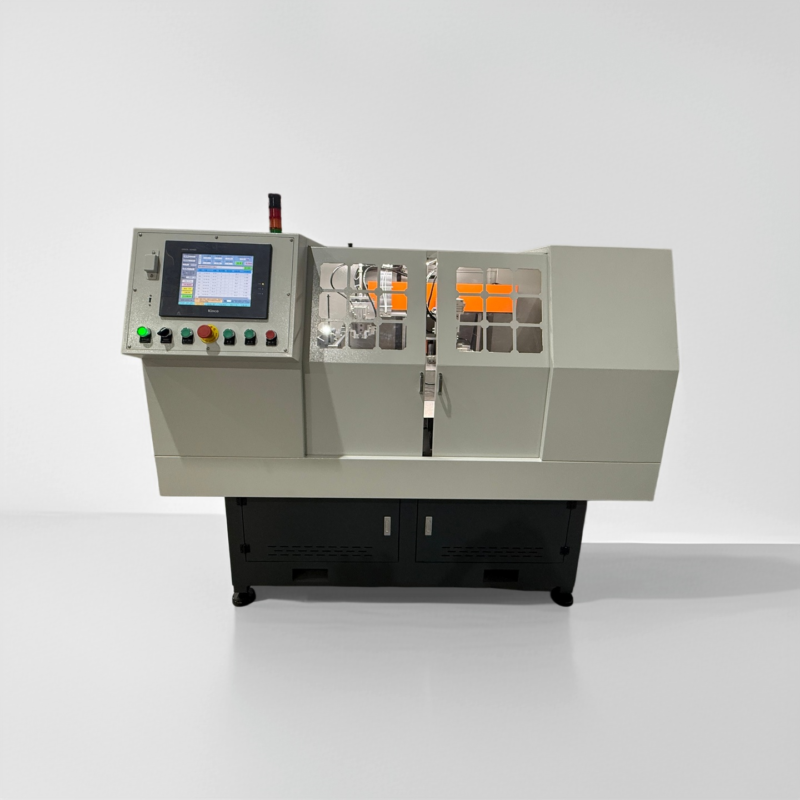
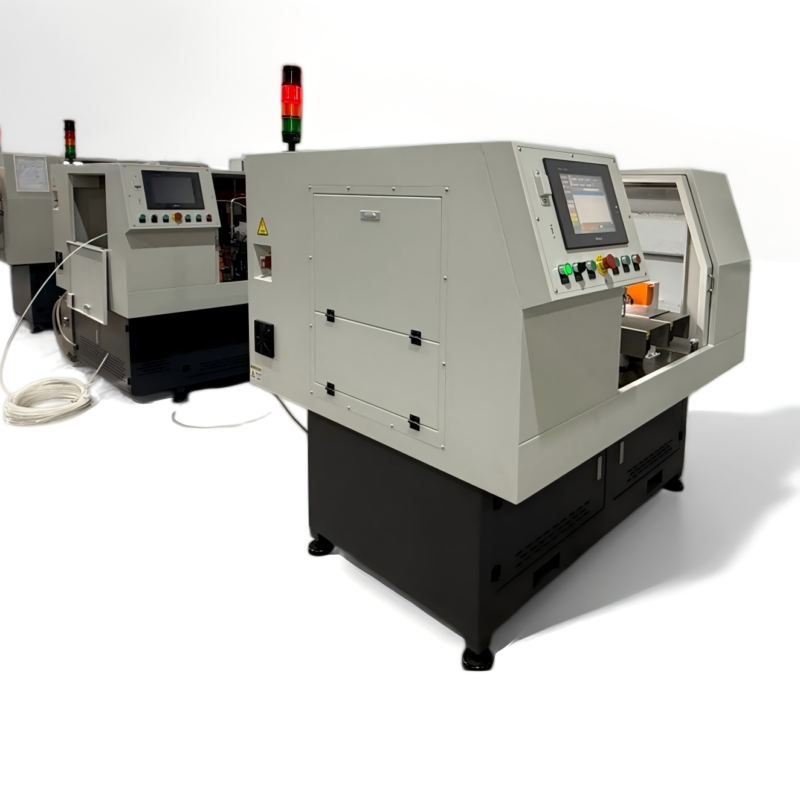
- Intelligent Automatic Straightening Machine (AMS Series Reference)
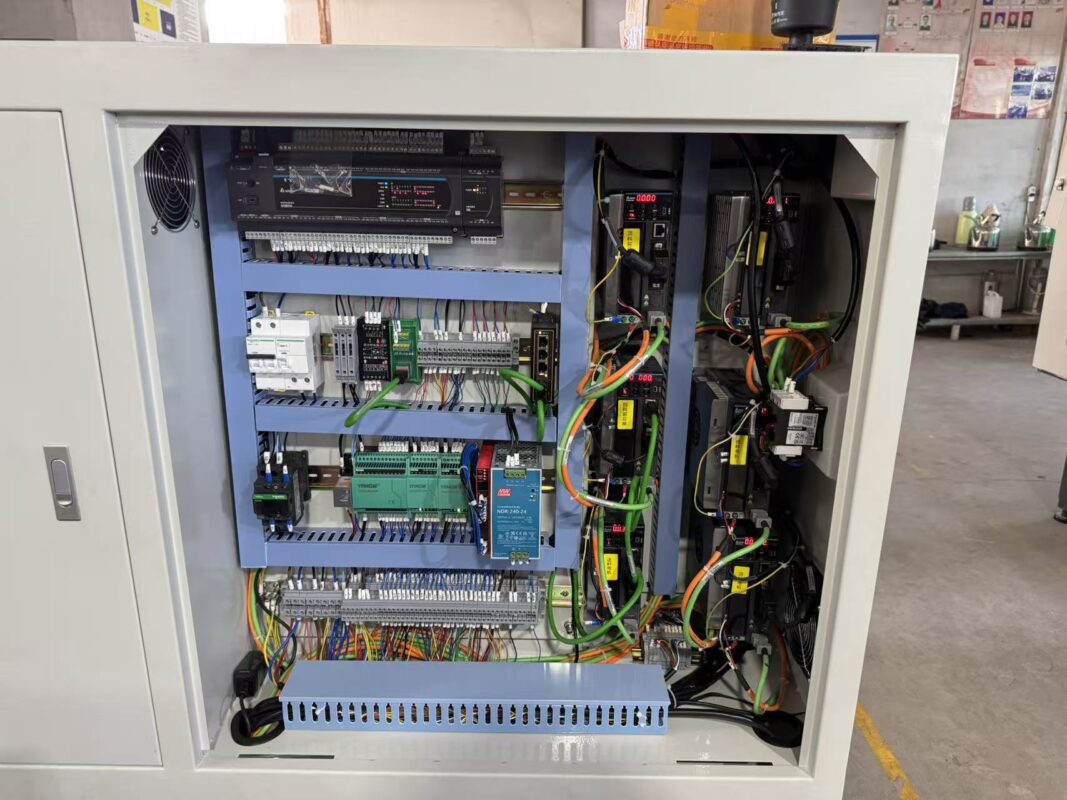
Custom-built for elongated drill bits with full closed-loop automation: Auto feeding → Servo clamping → High-precision Keyence displacement sensor measuring → AI identification of single/S-shaped bending → Multi-point progressive servo pressing → Re-inspection → Automatic sorting of qualified/NG products.
- Floating arc supports avoid scratching spiral flutes; quick-change SDS shank fixtures for fast size switching;
- 10-inch multilingual touchscreen, PLC control, stores parameters for all bit specs;
- Model AMS-300: Processes Φ3–8mm, 80–300mm bits, Straightness accuracy 0.1mm,12-month warranty

- Post-process Quality Closed-Loop Management
Strict runout inspection after straightening, grinding and welding; regular magnetic particle testing to detect micro-cracks; automatic springback compensation via machine database.
Core Benefits
Core Benefits
✅ Boost finished product pass rate by over 90%
✅ Replace 6–8 manual workers, cut labor cost sharply
✅ Eliminate rework & scrapping caused by bending
✅ Compatible with full-range hammer drill bits for mass production
Why This Workpiece Family Rewards Automation
Rotary hammer bits concentrate three straightening difficulties in one part: a long slender flute, a hardened cutting head, and a mass-production volume profile. The flute makes them bend-prone and direction-sensitive; the hard head limits how aggressively the middle can be worked; and the volumes make manual inspection the bottleneck no matter how skilled the bench is. A closed-loop automatic line converts all three from operator problems into recipe parameters, which is why the pass-rate and labor numbers in the benefits list move so sharply when a bit line is automated.
The process chain around the machine matters as much as the machine itself. Raw bars enter rough, finish near net, and meet the drill head somewhere in between; the straightening step has to sit where the geometry is stable enough to measure but before the operations that cannot tolerate bend. Placing it correctly is a layout decision, and the reasoning is laid out in straightening line layout and cycle time.
For drill bit manufacturers struggling with unstable straightness and high defect rates, matched pre-deformation control processes + customized automatic straightening equipment are the definitive upgrade solution to win high-end domestic & overseas orders.
Machine Video
The following is the video about the straightening for this drill bit:
Related Pages
For the workpiece-family background, see straightening of drilling tools and concrete drill bit straightening for the closely related concrete bit process. Material behavior after heat treatment is covered in hardened vs. soft parts straightening. Test documentation for drill bit machines on this site includes the drill bits straightening machine testing page and the walkthrough for drill bit extension bars.
More information please visit our straightening machinery website:
www.straighteningmachinery.com
#RotaryHammerBits #DrillBitManufacturing #StraighteningMachine #MetalProcessing #ConstructionTools #IndustrialAutomation